


Accutane and teen acne: What every parent should know
By Cat Norton
Teen acne isn’t “just bad skin.” At its worst, it can shape everything: confidence, friendships, even how your teen sees themselves.
And once nothing seems to work, Accutane often enters the chat.
What accutane actually does
Accutane (isotretinoin) is a derivative of Vitamin A. It works deep within the skin, reducing oil production, unclogging pores, and shrinking the sebaceous glands. In other words, it tackles acne at its source, not just the surface.
It’s prescribed by dermatologists for severe, often cystic acne. The deep, painful kind that leaves marks on both skin and self-esteem. When used carefully and monitored closely, it can be transformative.
Fact vs fiction
Accutane has built its reputation on extremes. The truth? It’s powerful, not perfect.
Yes, it can deliver clear, calm skin. But it also demands respect. Side effects like dryness, sensitivity, or cracked lips are common; mood changes and liver stress are far rarer but taken seriously. That’s why dermatologists monitor blood work and progress so closely.
Accutane isn’t for everyone – and it’s never the first chapter in the story. Think of it as the final edit, when every other treatment has been explored.
Timing and teen skin
Dermatologists usually reserve Accutane for older teens, though severe cases may start earlier. Hormones are still finding balance, so timing is key. The medication can make skin dry and reactive, which is why professional skincare support is non-negotiable.
Supporting the skin
The goal isn’t to fight the skin, it’s to steady it. Whether your teen is on Accutane or still exploring options, the focus should be on balance, not battle.
A good baseline routine includes:
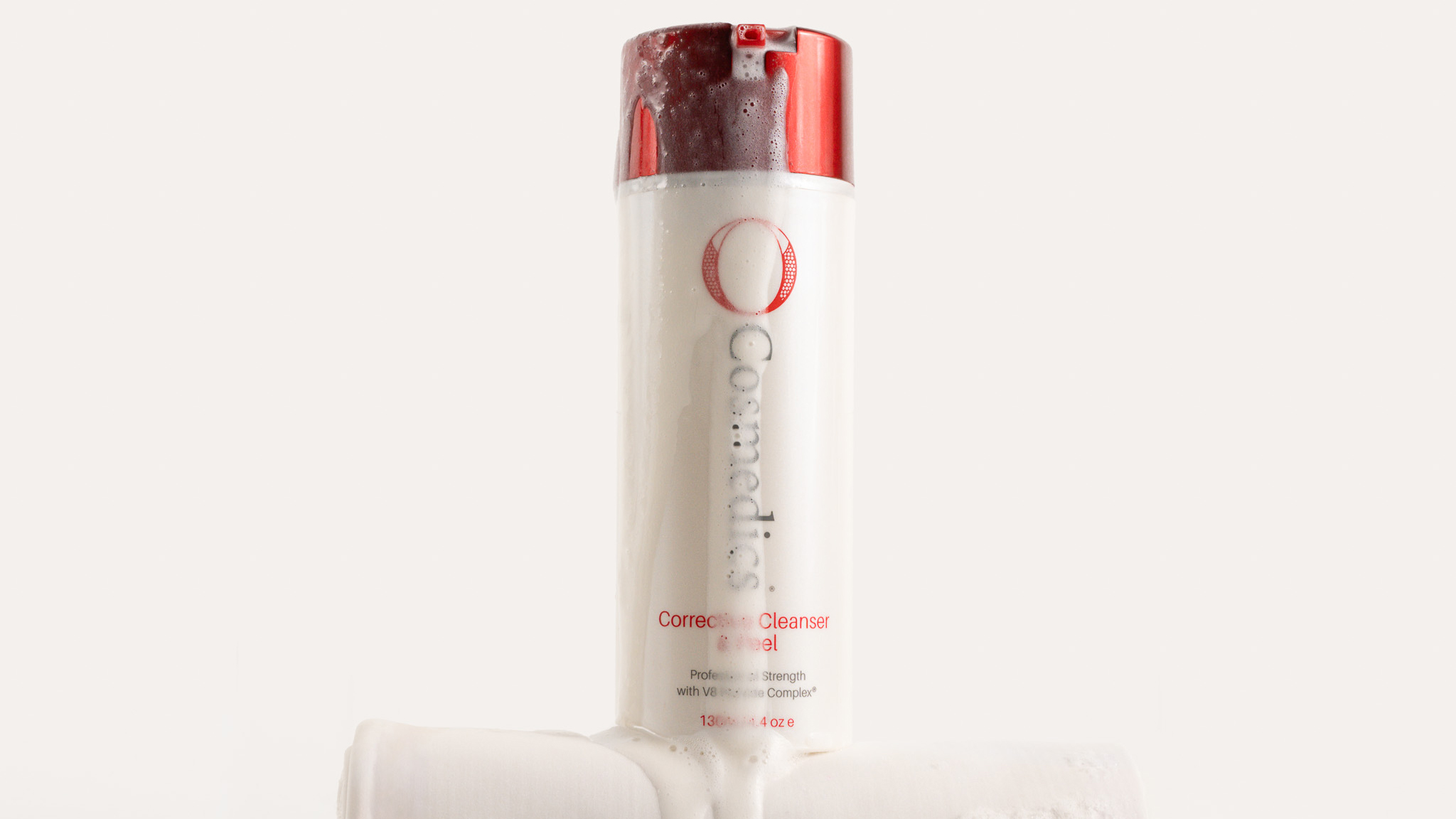
- A gentle, antioxidant-rich cleanser – to cleanse without stripping.
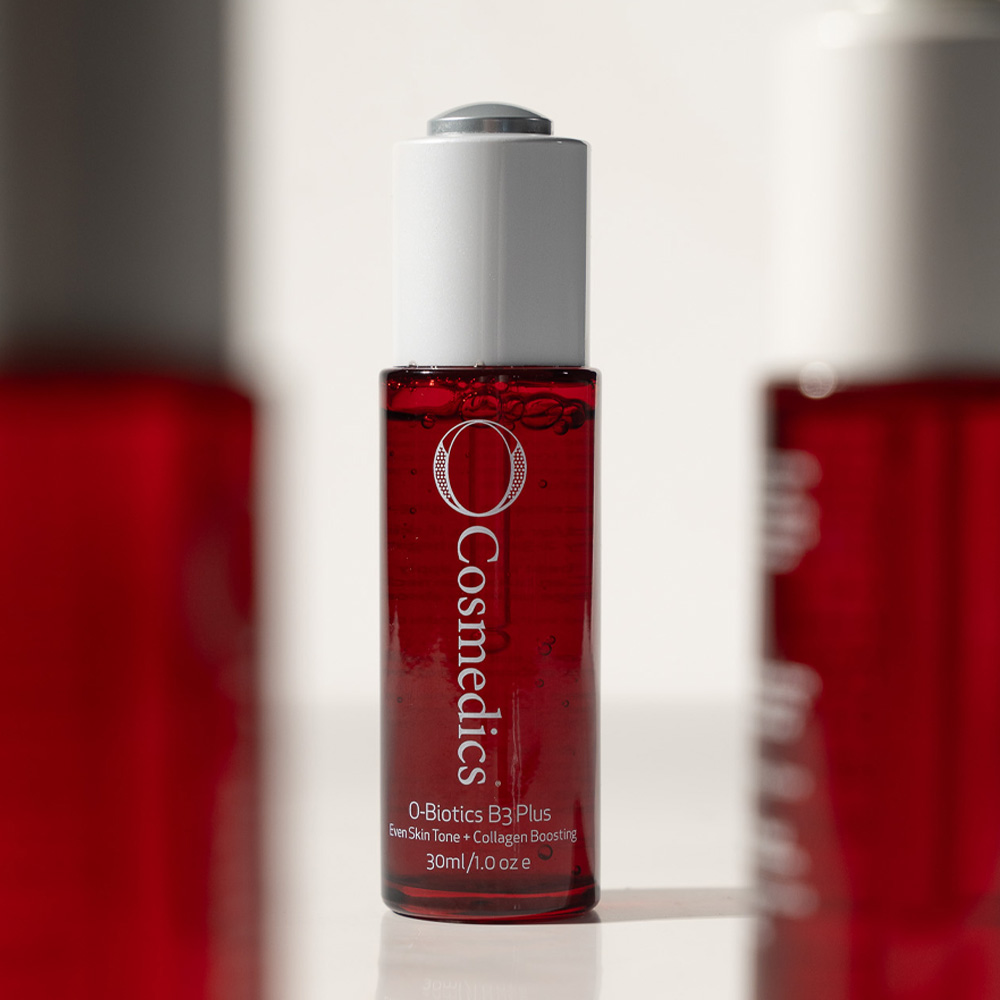
- A niacinamide serum – to calm inflammation and strengthen the barrier.
- Hydrating, probiotic-based moisturisers – to rebuild the microbiome and reduce irritation.
- Targeted actives (when not on prescription Vitamin A) – such as salicylic acid or mild retinoids for controlled exfoliation and oil regulation.
Professional clinics can tailor routines that safely complement medical care – or replace it when prescription treatment isn’t needed.

Before the big guns
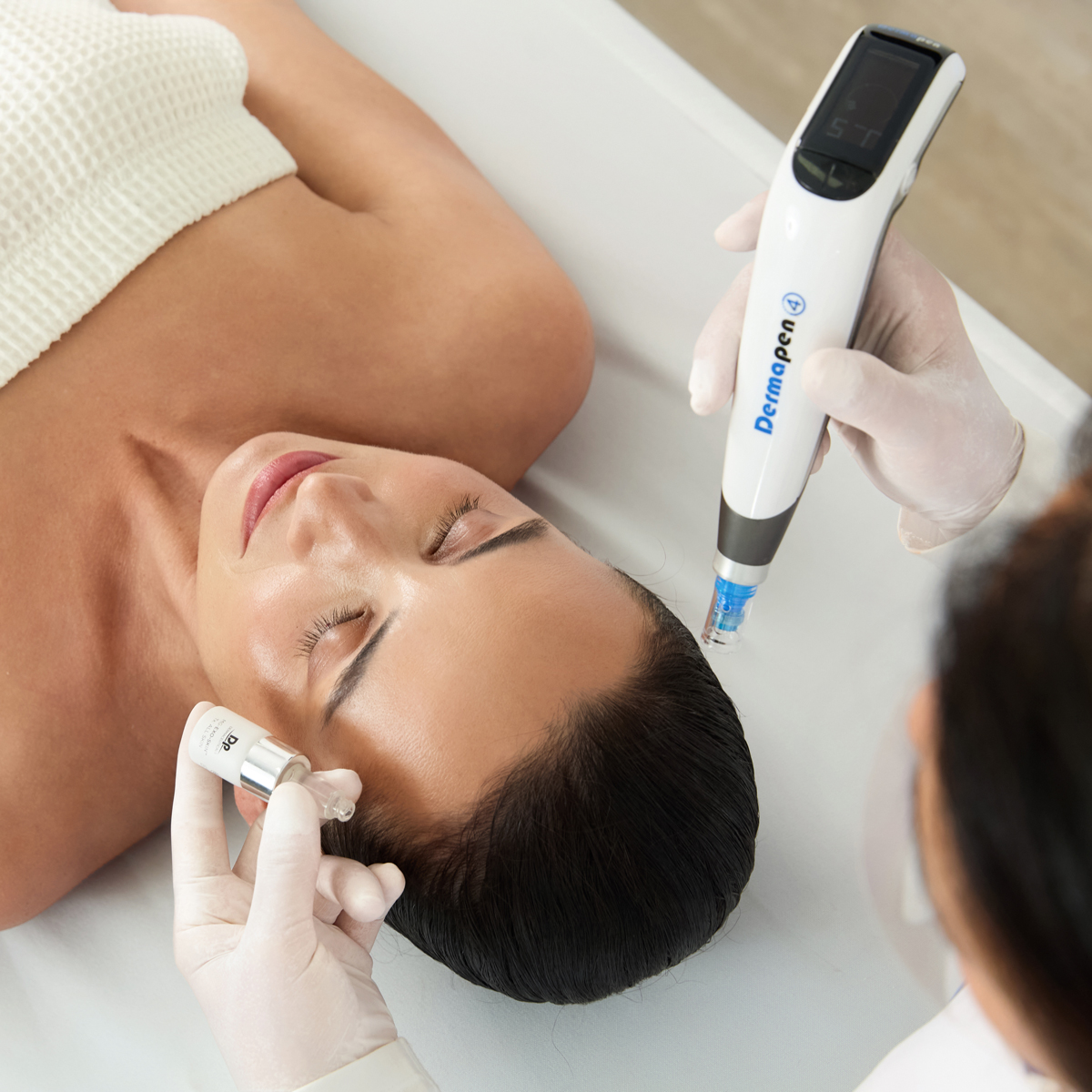
Many professionals explore other paths first: topical retinoids, L.E.D. therapy, chemical peels, microneedling, or gut-support supplements. Often, the right combination of clinic treatments and home care clears acne without medication.
The bigger picture
As a parent, your role isn’t to have all the answers; it’s to ask the right questions. Accutane can change lives when prescribed thoughtfully, but it’s not the only route to clear skin.
Partner with professionals who see beyond breakouts. Those who consider hormones, emotional well-being, and the skin barrier as part of the same conversation.
Acne can test patience – yours and theirs. But with the right care, this chapter becomes a turning point, not a lifetime of struggle.