

Scarring & Stretch Marks

Scarring and stretch marks are among the most emotionally significant concerns your clients bring into the consultation. They're also among the strongest drivers of treatment series bookings, clients in this category rarely want a single session, and then they see progressive improvements in the appearance of their skin, they stay committed.
For your clinic, this is a category where a well-structured Dermapen protocol, paired with consistent prescribed homecare, builds exactly the kind of long-term client relationship that sustains treatment room revenue across months rather than a single appointment.
Understanding scarring and stretch marks
Visible scars develop when the skin’s deeper levels are disrupted following injury to the skin, including surgery, burns, acne or trauma, as part of the skin’s natural healing response. Stretch marks develop when the skin stretches or contracts rapidly, causing the elastin to break and a scar to form. They most commonly appear on the abdomen, thighs, breasts and buttocks during periods of significant body change.
For your team, understanding the nature of each presentation matters because it shapes the protocol. The depth, age and cause of a scar all influence how it responds to treatment, and setting accurate client expectations from the first consultation is what keeps clients committed to the process long enough to see meaningful change in the skin’s appearance.
Older, more established scars and deeper stretch marks respond more gradually than recent or surface-level marks.
In-clinic treatments for scarring and stretch marks
Under your professional guidance, the strongest outcomes for scarring and stretch marks come from combining a prescribed at-home routine with the right in-clinic treatment, each reinforcing the other between appointments.
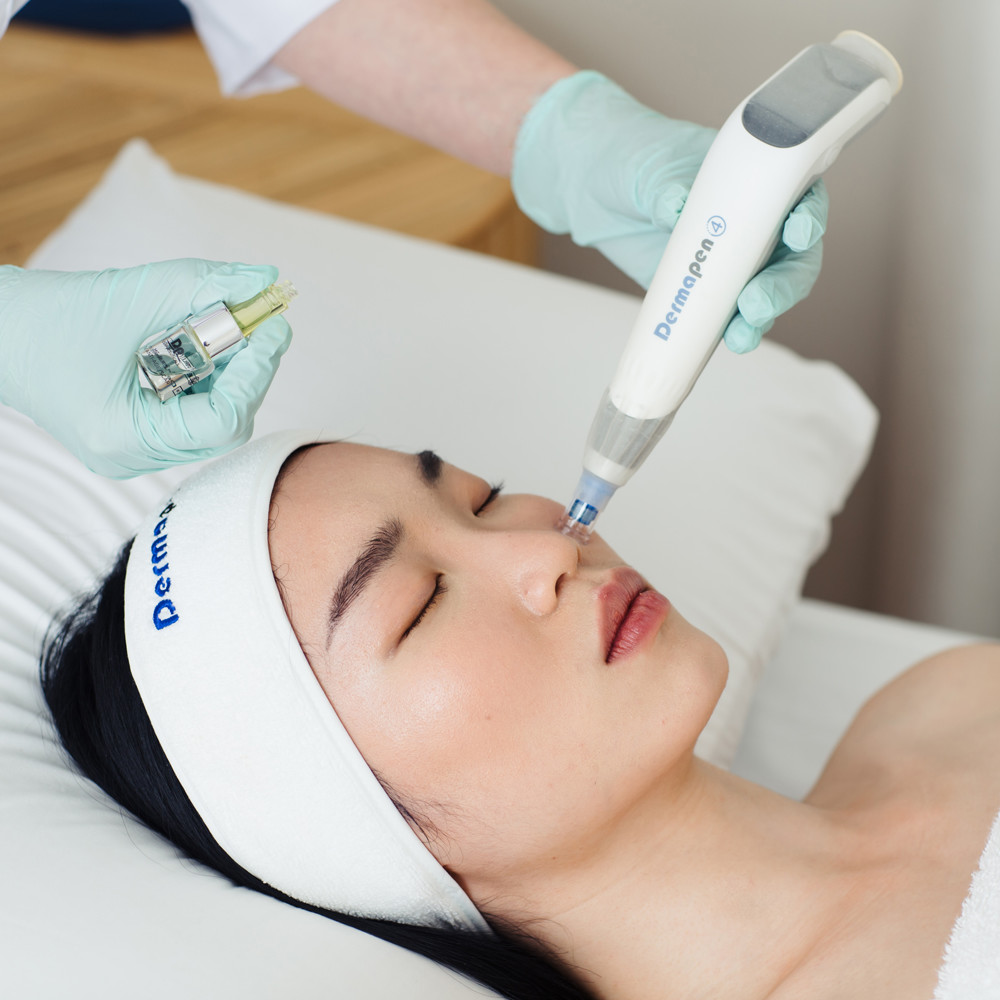
DermapenMicroneedling
A precision microneedling protocol designed to help improve the appearance of visible scarring and stretch marks, working with the skin’s natural processes to support a smoother, more even-looking skin surface over a structured treatment series.
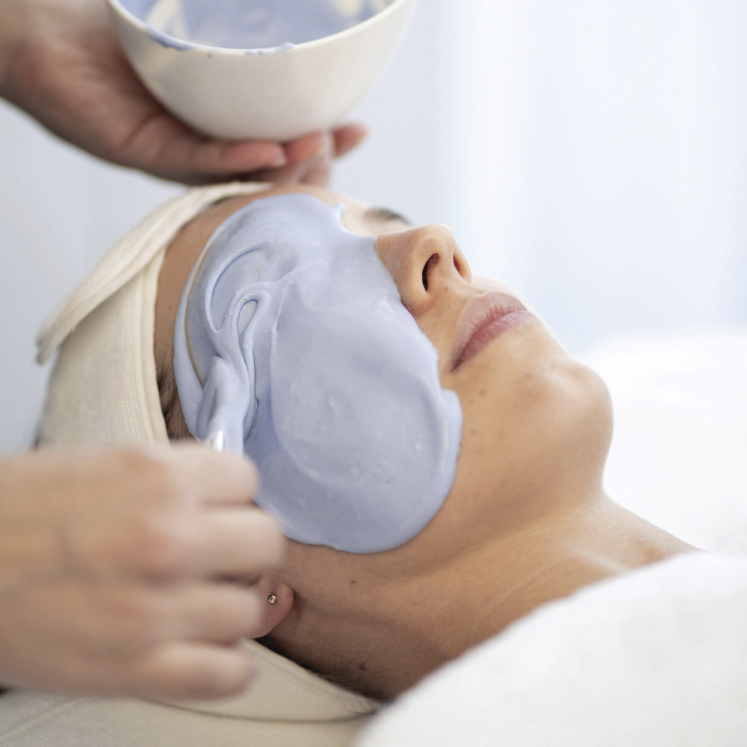
O COSMEDICSPro Dermal Planning
A lymphatic compression treatment designed to help support skin rebalancing and the appearance of a more even-looking skin surface, suited to clients working through a scarring protocol alongside their in-clinic treatment series.
The strongest protocols for scarring and stretch marks combine in-clinic treatment with a homecare routine your team prescribes specifically for each client's presentation. That's where consistent results and consistent treatment series revenue in this category come from.
Homecare to prescribe for scarring and stretch marks.
The products in this category are formulated to help support the appearance of scarring and stretch marks and are designed for professional prescription, not self-selection.


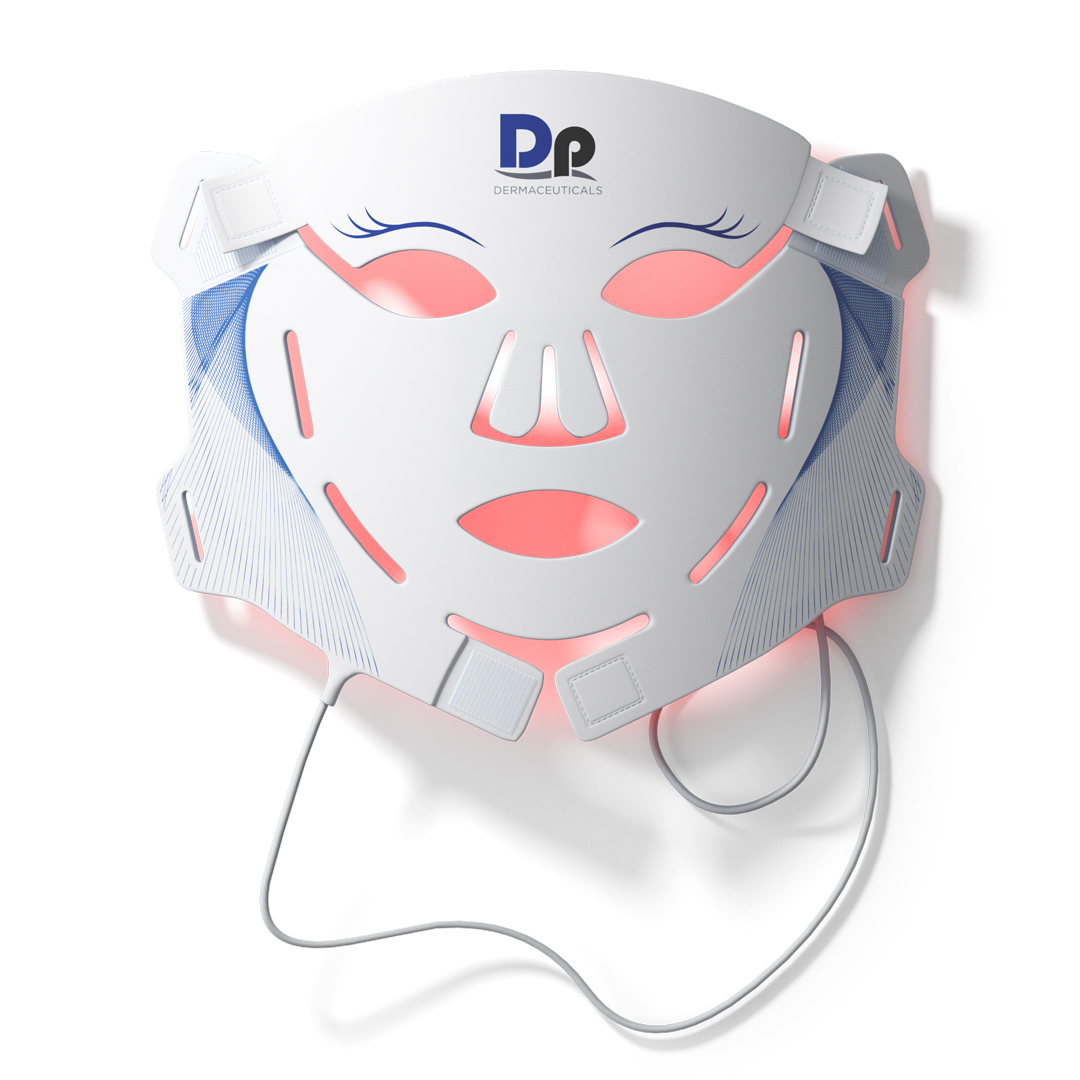


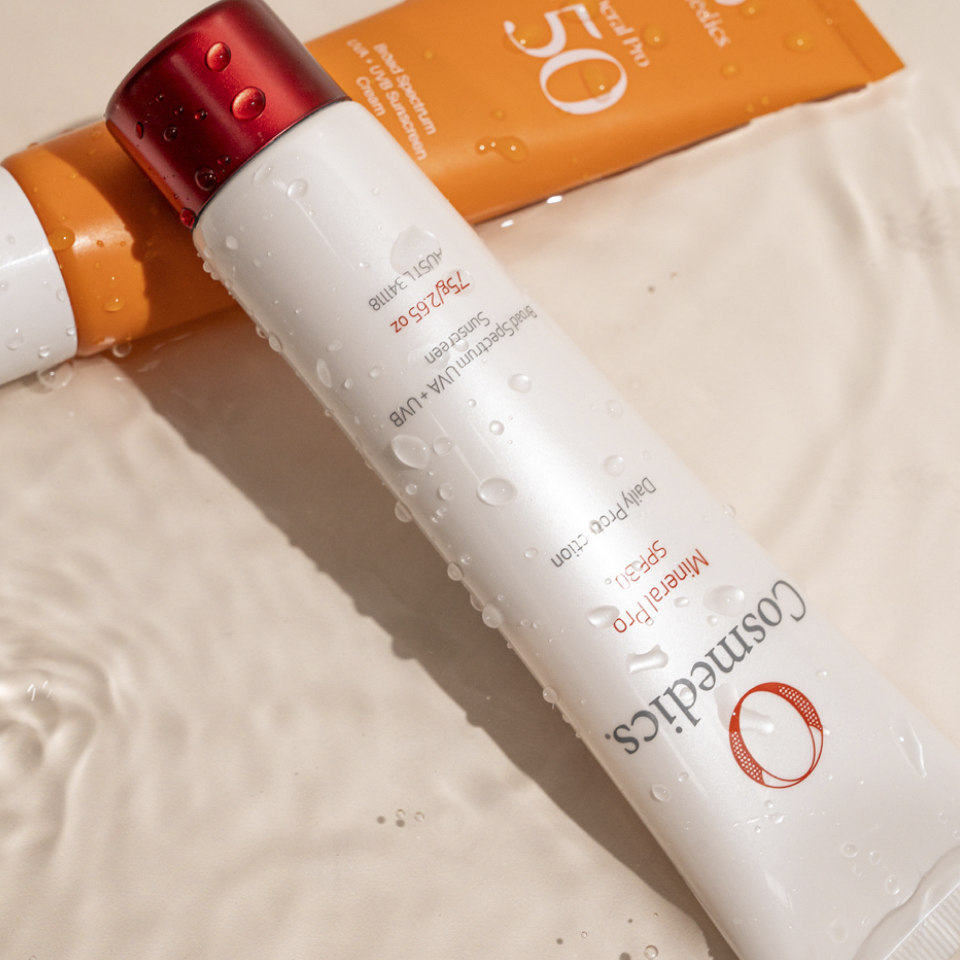
A well-structured homecare protocol for scarring and stretch marks typically draws on a core set of actives your team can build confident retail recommendations around.
Vitamin A (retinol) is formulated to help support the appearance of smoother skin texture and a more refined-looking skin surface over time. Vitamin B3 (niacinamide) helps support a more even-looking skin tone, useful for clients whose scars present with discolouration alongside textural change. Vitamin E supports the appearance of nourished, more resilient-looking skin. Daily SPF is an important step in any scarring protocol, helping to protect the appearance of scar tissue from UV-related discolouration.
When your team understands the rationale behind each ingredient and can explain the role it plays in the overall protocol, clients follow through with their homecare consistently. That consistency between appointments is what drives the progressive improvement that keeps this client group returning for their next session.
Real Results
The images below reflect individual client experiences, using a combination of professional treatments and prescribed homecare. Outcomes vary, but they give your team real client outcomes to stand behind when building client confidence in this protocol.
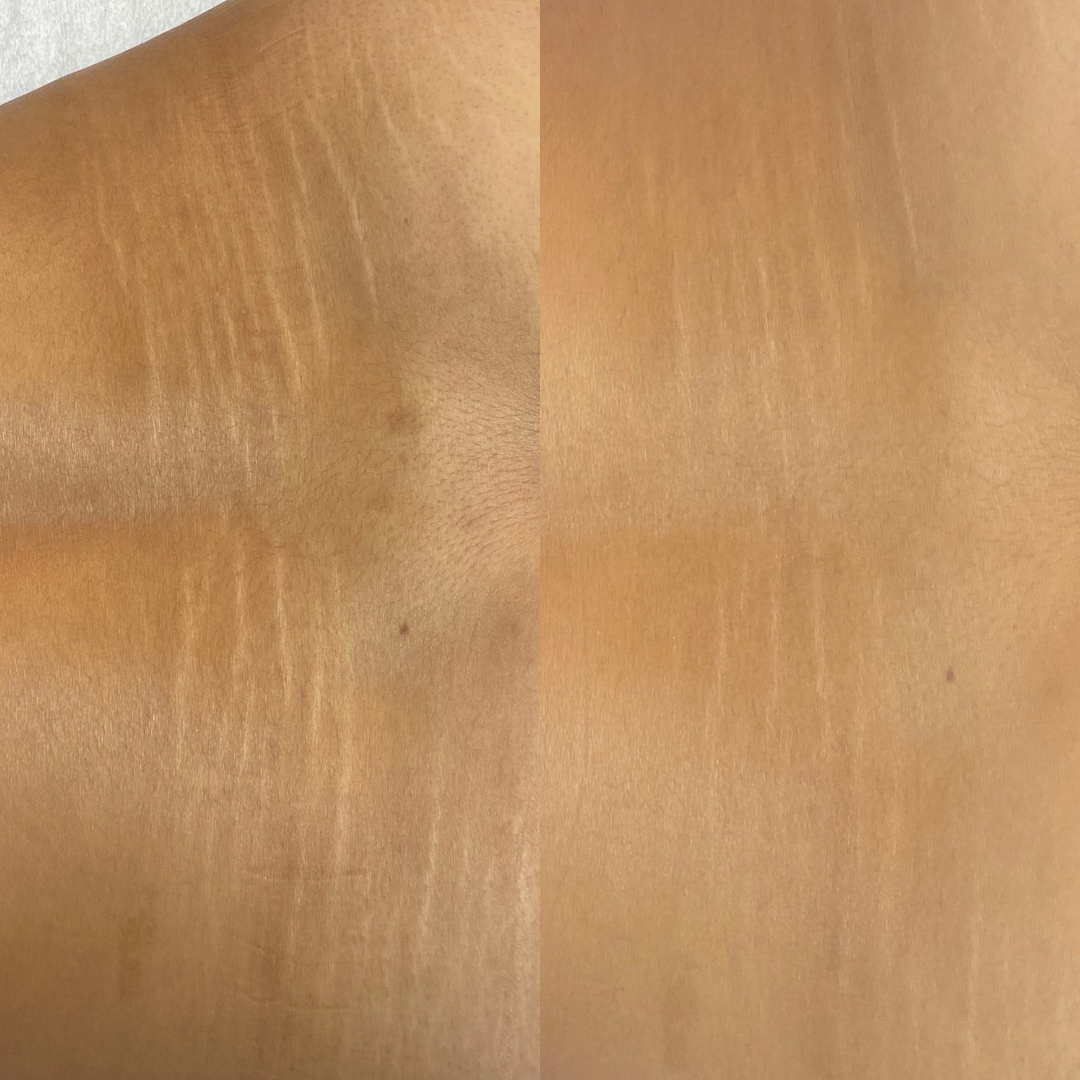
Acacia Skin Health & Beauty
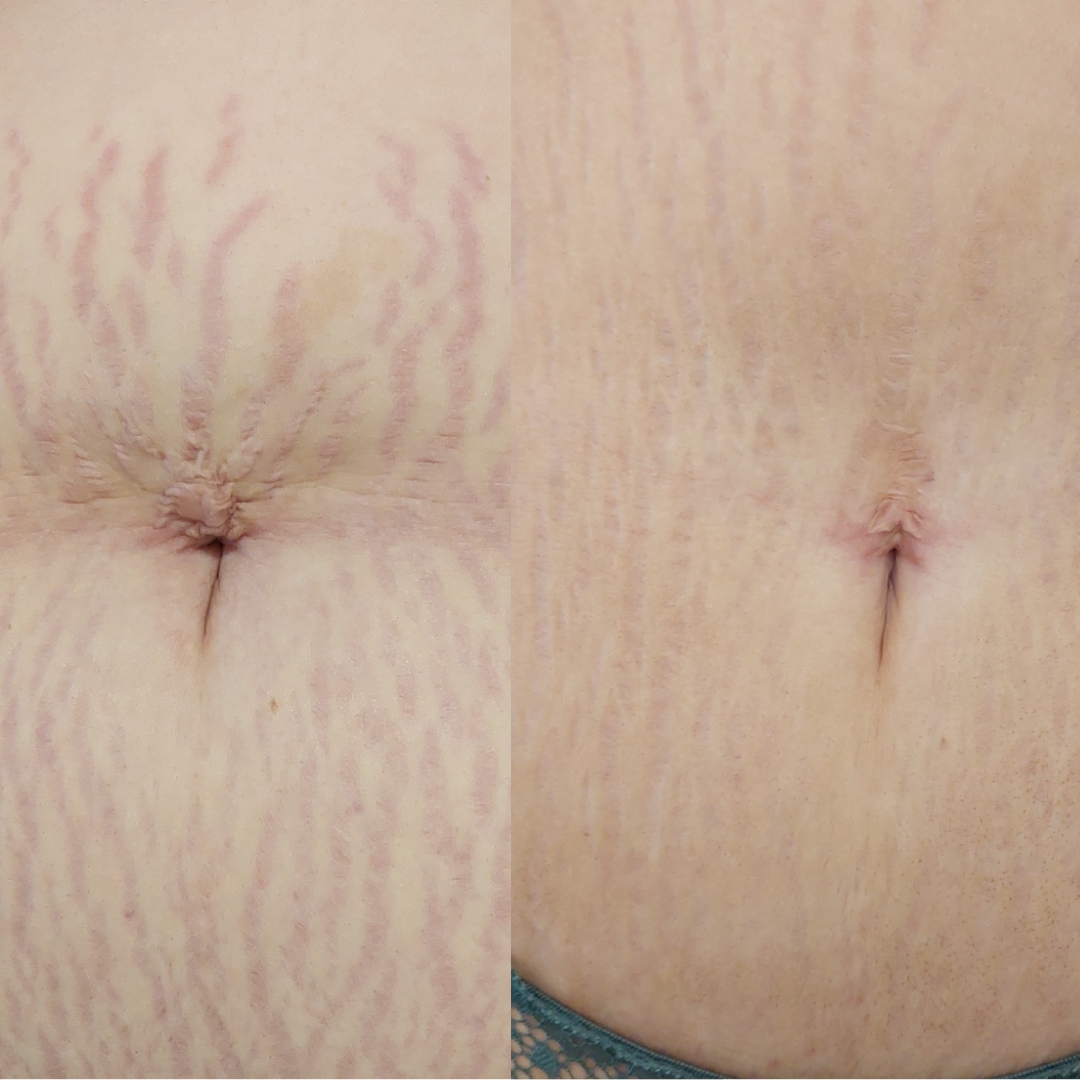
Graceful Beauty

Mabin House Body & Skin Sanctuary
Scarring and stretch marks are a concern category where the consultation sets the entire client relationship. A realistic, structured protocol built in that first appointment is what converts a one-off enquiry into a committed treatment series.

Understanding acne scar types: what your team needs to know
Acne scars present differently depending on how the skin responded during the inflammatory process, and the type of scar your client presents with directly influences the protocol you build.
Ice-pick scars are narrow and deep, extending into the skin’s lower layers. Boxcar scars have defined edges and are relatively shallow, presenting as depressed patches with sharp borders. Rolling scars are shallow with smoother, more gradual edges, giving the skin an uneven, undulating appearance.
Each type responds differently to the same protocol, which is why a thorough skin assessment before beginning a treatment series is essential. Clients presenting with a combination of scar types — which is common — may need a layered approach across both in-clinic treatment and homecare.
For your team, being able to name and explain these distinctions in the consultation builds immediate credibility with a client who has often already researched their own concern extensively before walking in.
Skin Insights
Your comprehensive guide to radiant, healthy skin.


Scarring and stretch marks respond best to a consistent, progressive approach: a structured in-clinic treatment series paired with a homecare protocol your team has prescribed specifically for each client’s presentation. Results build over time, and clients who understand that from the first consultation are the ones who commit to the series and see it through.
You've got questions, we've got answers.
Probeauty’s stockist network offers Dermapen Microneedling as the primary in-clinic protocol for scarring and stretch marks, designed to complement a professional homecare protocol. Your BDE can advise on the full treatment options available through your clinic.
A well-structured homecare protocol for this concern typically includes vitamin A (retinol) to help support the appearance of smoother skin texture, vitamin B3 (niacinamide) for a more even-looking skin tone, vitamin E to help support the appearance of nourished skin, and a daily SPF to help protect scar tissue from UV-related discolouration.
O COSMEDICS and Dp Dermaceuticals both include products formulated to help support the appearance of scarring and stretch marks.
Ice-pick scars are narrow and deep. Boxcar scars have defined edges and are relatively shallow. Rolling scars are shallow with smoother, more gradual edges. Each type responds differently to treatment protocols, which is why a thorough skin assessment before beginning a treatment series is essential.
The number of sessions depends on the depth, age and type of scarring your client presents with. A professional assessment is the starting point for setting realistic expectations and building a structured treatment series.
Setting expectations clearly in the first consultation is the most important step in this category. Older, more established scars and deeper stretch marks respond more gradually than recent or surface-level marks, and clients who understand that from the outset are far more likely to commit to a full treatment series and follow their homecare protocol consistently.