

Dryness & Dehydration

Dryness and dehydration are two of the most common presentations your clients bring into the consultation, and one of the most frequently misread.
Dry skin lacks oil. Dehydrated skin lacks water. They can present together, and they need different protocols, which is exactly why self-selection at the retail counter rarely solves them.
Almost every client on your books has a dryness or dehydration component to their skin, regardless of their primary concern. Getting the prescription right builds trust, drives consistent retail, and gives clients a visible result that brings them back.
Understanding dryness and dehydration
Dry skin is a skin type, not a temporary condition. It produces insufficient oil and presents as flaky, rough or tight skin. It can be influenced by genetics, hormonal change and the natural ageing process, and can be aggravated by over-exfoliation or products that strip the skin’s natural lipid layer.
Dehydrated skin is a condition rather than a type, and it can affect any skin type, including oily. It tends to be temporary, triggered by seasonal change, UV exposure, or products that compromise the skin’s moisture-retention capacity.
For your team, the distinction matters clinically because the prescription is different. A client with dry skin needs oil-rich formulations that help maintain the natural lipid barrier. Whereas dehydrated skins need water-binding ingredients and a barrier-support protocol. A client presenting with both will likely require a layered approach.
Clinics that train their team to identify and distinguish these two presentations consistently see stronger retail sales and retention, because clients feel the difference in a way that’s hard to attribute to any single product.
In-clinic treatments for dryness and dehydration
Under your professional guidance, the strongest outcomes for dryness and dehydration come from combining a recommended at-home routine with the right in-clinic treatment, each reinforcing the other between appointments.
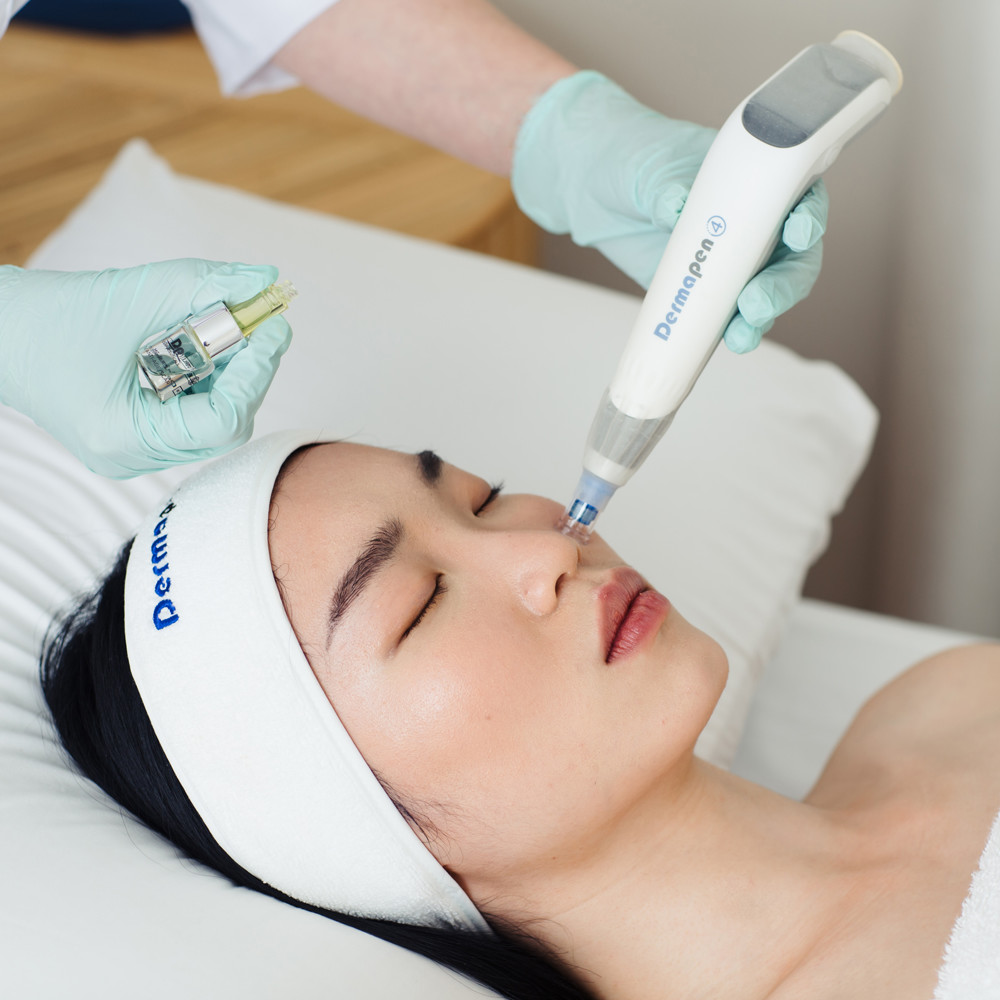
DermapenMicroneedling
A precision microneedling protocol designed to help support the skin’s barrier function and the appearance of hydration, texture and radiance as part of a broader dryness and dehydration treatment plan.
NEUROCOSMEDICSRadiance Clinical Peel
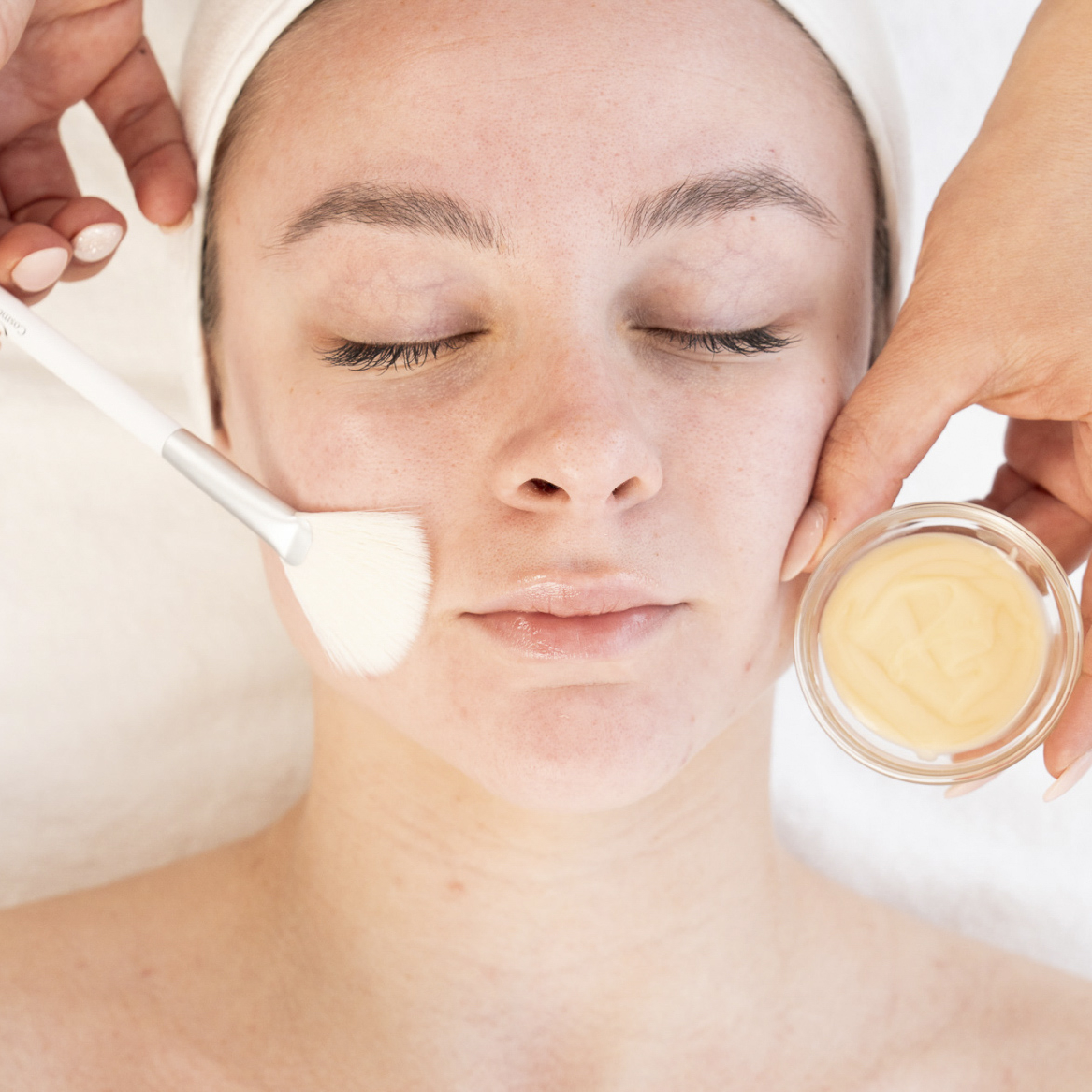
A gentle peel formulated for sensitive and dry skin types, designed to help support the appearance of radiance and hydration. Pair with a tailored mask for an immediately refreshed-looking complexion your client will notice.
The strongest protocols for dryness and dehydration combine in-clinic treatment with a homecare routine your team prescribes specifically for each client's presentation.
Homecare to recommend for dryness and dehydration
The products in this category are formulated to help support the appearance of hydrated, nourished-looking skin.


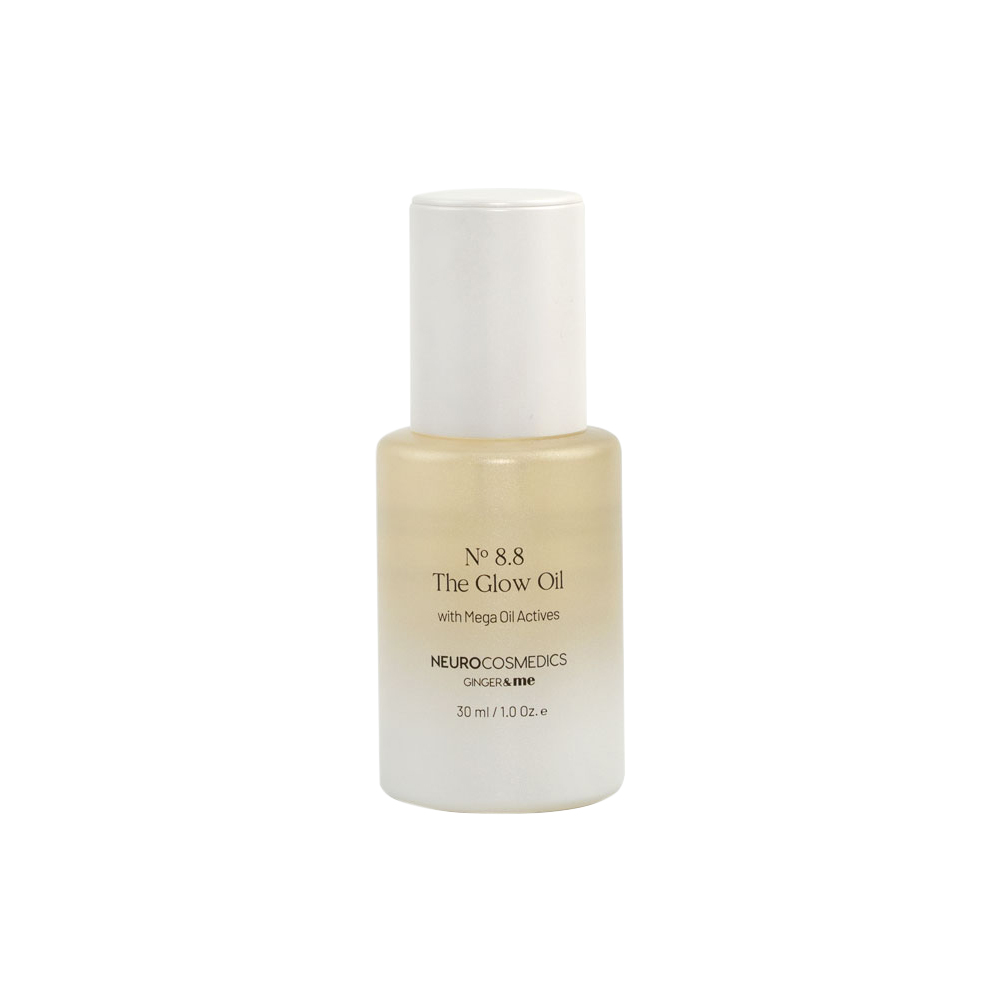


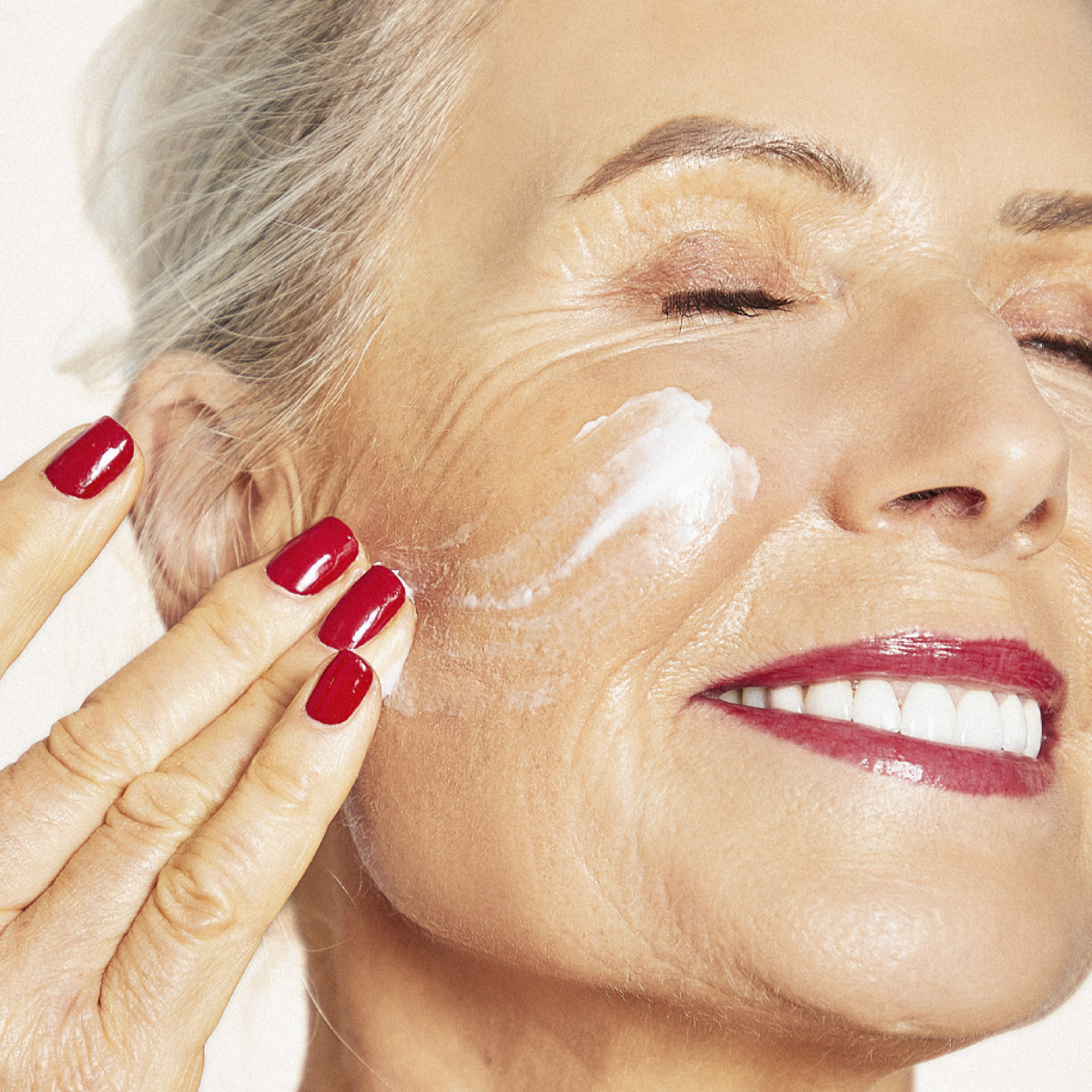
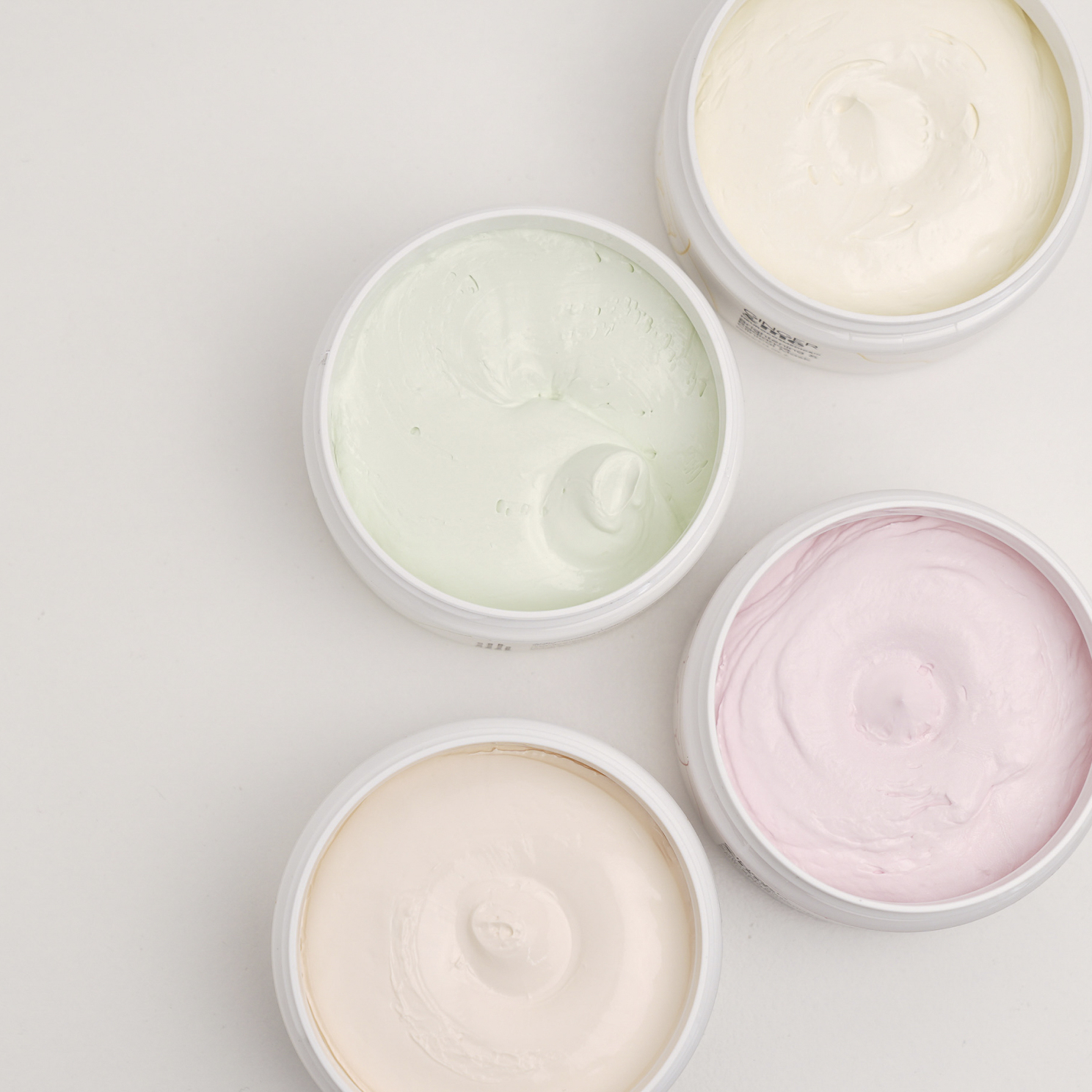
A well-structured homecare routine for dryness and dehydration typically draws on a core set of actives your team can build confident retail recommendations around.
Lactic acid is formulated to help support the appearance of smoother, brighter-looking skin by assisting with surface cell turnover, making it useful for clients whose dryness presents as dullness or uneven texture. Ceramides help support the skin’s barrier function, supporting moisture retention and the appearance of a more resilient-looking complexion. Hyaluronic acid is formulated to help support skin hydration and the appearance of plumper, more supple-looking skin. Niacinamide works to help support the skin’s barrier against the visible effects of dehydration, alongside a more even-looking skin tone.
Real Results
The images below reflect individual client experiences, using a combination of professional treatments and prescribed homecare. Outcomes vary, but they give your team real client experiences to stand behind when building client confidence in this protocol.

Cameo – Skin Body Beauty
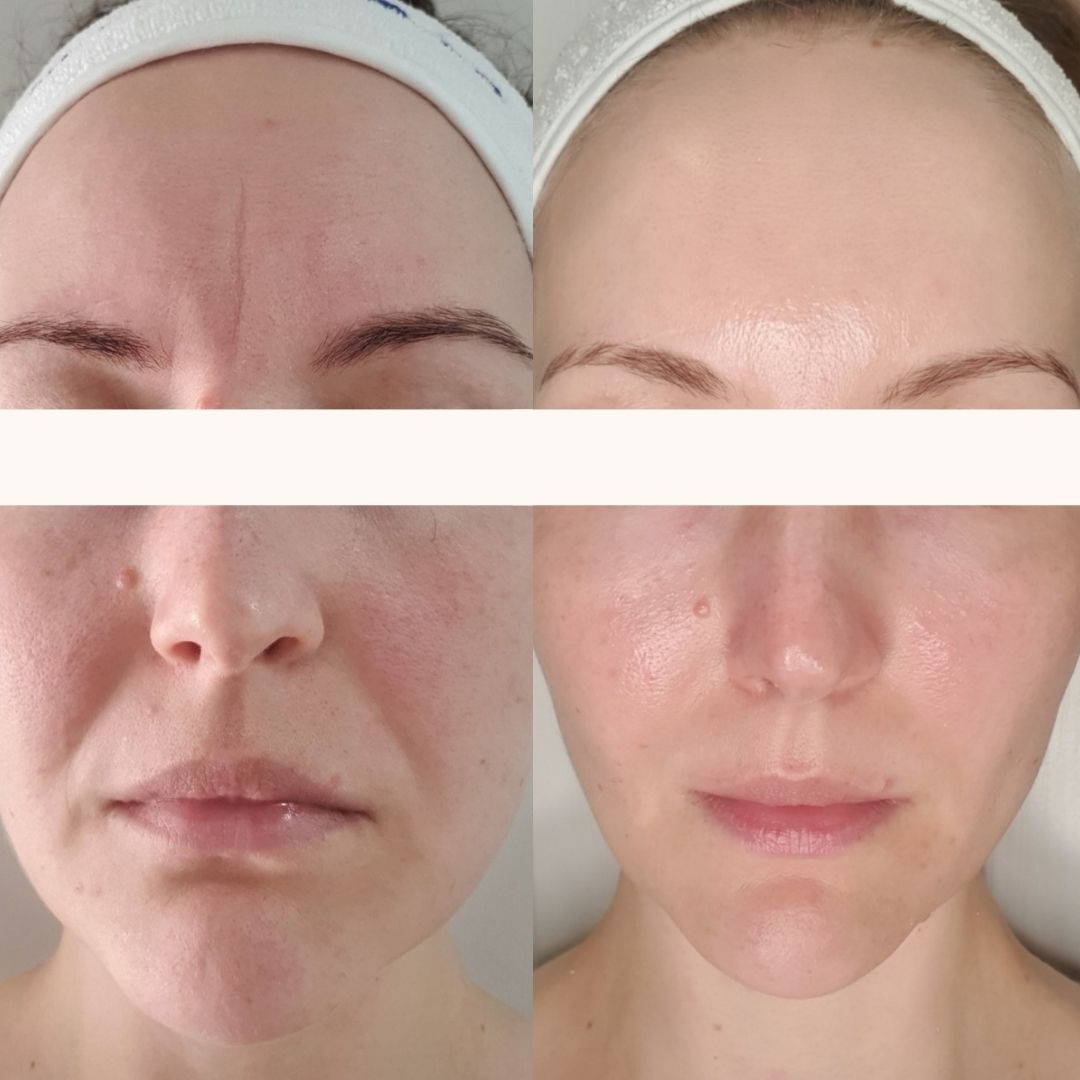
LIN ANDRÉ | Skin Confidence & Longevity

Lovoir
A consultation that distinguishes between dry skin and dehydration is what converts a one-off appointment into a long-term retail relationship. That's your team's point of difference.
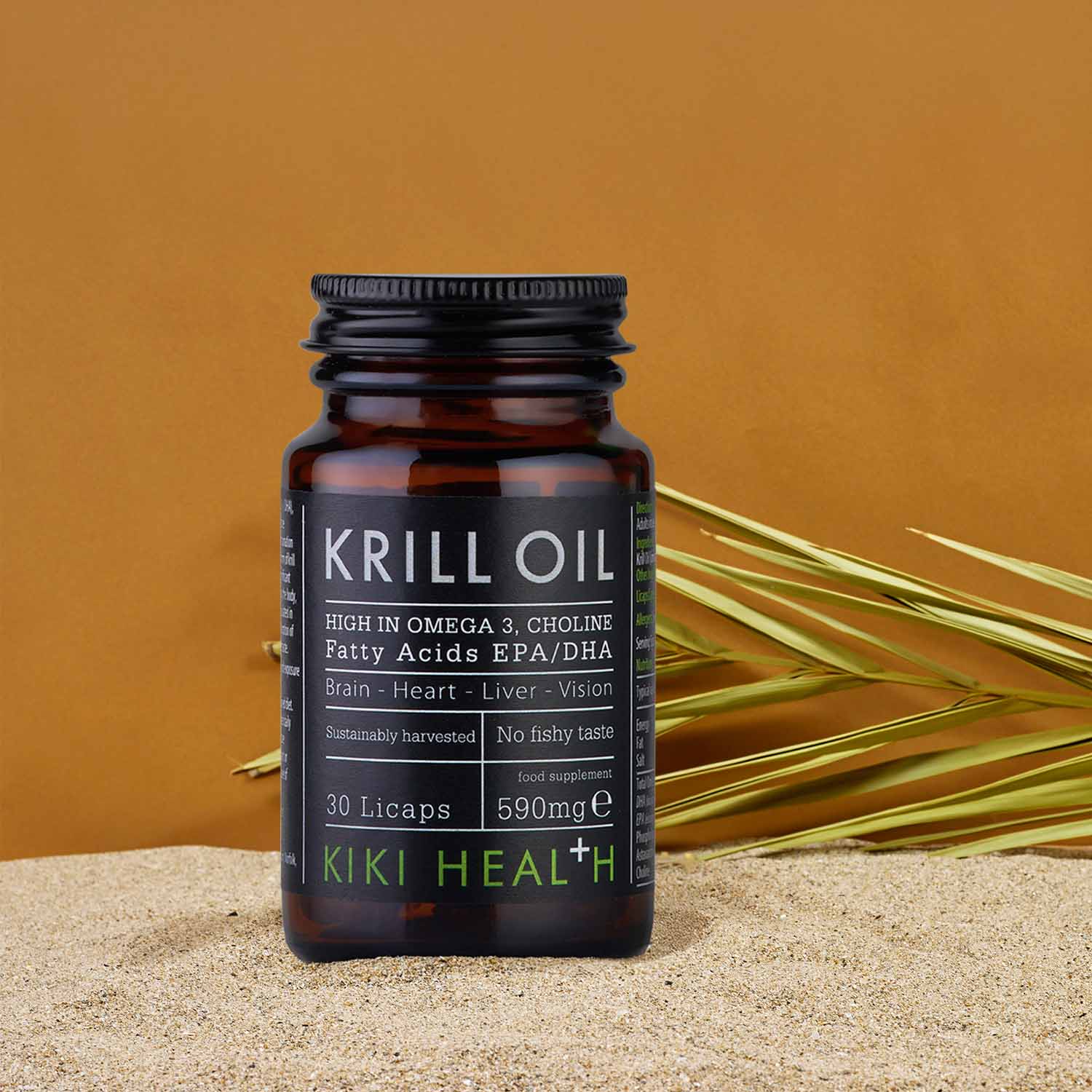
Supporting skin from within alongside a topical homecare protocol gives your team a more complete retail conversation.Explore the KIKI Health range for wholefood supplements and superfoods formulated to help support skin, hair and body from within.
Skin Insights
Your comprehensive guide to radiant, healthy skin.


In-clinic treatments give your team the ability to work with dryness and dehydration at a level homecare alone may not always reach.
The strongest outcomes come from pairing professional treatment sessions with a homecare protocol your team has prescribed specifically for that client’s presentation, building consistency between appointments rather than leaving results to chance.
You've got questions, we've got answers.
Dry skin is a skin type characterised by insufficient oil production. Dehydrated skin is a condition characterised by a lack of water, and can affect any skin type. A professional consultation is the most reliable way to distinguish between the two and build the right homecare protocol for each client.
Probeauty’s stockist network offers in-clinic options including Dermapen Microneedling and the NEUROCOSMEDICS Radiance Clinical Peel, designed to complement a professional homecare protocol for dryness and dehydration concerns.
A well-structured homecare protocol for this concern typically includes ceramides to help support the skin’s barrier function, hyaluronic acid for hydration and the appearance of suppleness, lactic acid to help support the appearance of smoother skin texture, and niacinamide to help support the skin’s barrier against the visible effects of dehydration.
Brands such as O COSMEDICS, Dp Dermaceuticals, NEUROCOSMEDICS by GINGER&ME and KIKI Health all include products formulated to help support the appearance of dry and dehydrated skin. Your BDE can help you build a protocol recommendation across the range.
Not always. Dry skin and dehydration have different underlying causes and respond to different ingredients. A professional consultation that identifies which presentation, or combination of both, a client has is the starting point for protocol designed to support their individual skin concerns.
How do I build a retail protocol for dry and dehydrated clients that drives consistent sell-through?
The strongest retail performance in this category comes from professional prescription in the consultation, not self-selection at the counter. Clients whose protocol is matched to their specific presentation, dry skin versus dehydration versus both, see results more consistently and return for the homecare products that are delivering them.