

Pigmentation & Uneven Skin Tone

Pigmentation and uneven skin tone is the concern category that keeps clients coming back. Results take time, they require consistency, and they depend on a protocol your team prescribes and monitors, not one a client assembles from a shelf.
For your clinic, that makes pigmentation one of the most valuable long-term revenue categories you hold. Clients in this category invest in a series of treatments and commit to a homecare routine when they trust the guidance behind it. Getting that protocol right from the first consultation is what builds that trust.
Understanding pigmentation and uneven skin tone
Pigmentation occurs when melanin production is distributed unevenly within the skin, resulting in dark spots, freckling, patches or uneven skin tone. The two most common drivers are UV exposure and hormonal change.
Sun-induced pigmentation accumulates over time and is particularly common in New Zealand, where UV index levels are among the highest in the world. Hormonal pigmentation, including melasma, is typically associated with pregnancy, hormonal contraception, HRT or IVF, and tends to appear in a symmetrical pattern across the cheeks, forehead or upper lip.
For your team, identifying the underlying driver matters because it shapes both the in-clinic protocol and the homecare prescription. Sun-induced pigmentation and hormonal melasma respond differently to the same actives, and a protocol that doesn’t account for that distinction will underdeliver, regardless of the products in it.
Many common forms of pigmentation extend beyond the skin’s surface, which is why professional treatment and prescribed homecare are often recommended together.
In-clinic treatments for pigmentation and uneven skin tone
Under your professional guidance, the strongest outcomes for pigmentation and uneven skin tone come from combining a prescribed at-home routine with the right in-clinic treatment, each reinforcing the other between appointments.
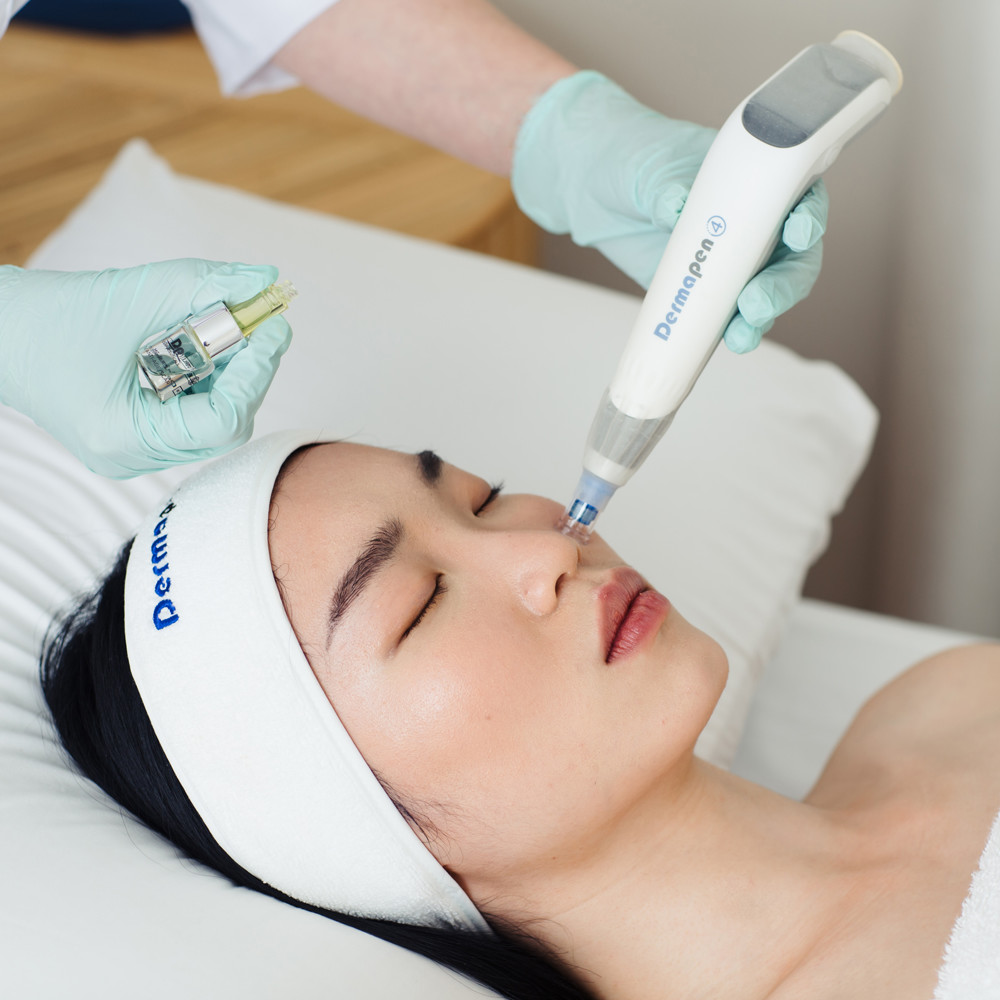
DermapenMicroneedling
A precision microneedling protocol designed to help support the appearance of more even skin tone and refined texture, as part of a broader pigmentation treatment plan.
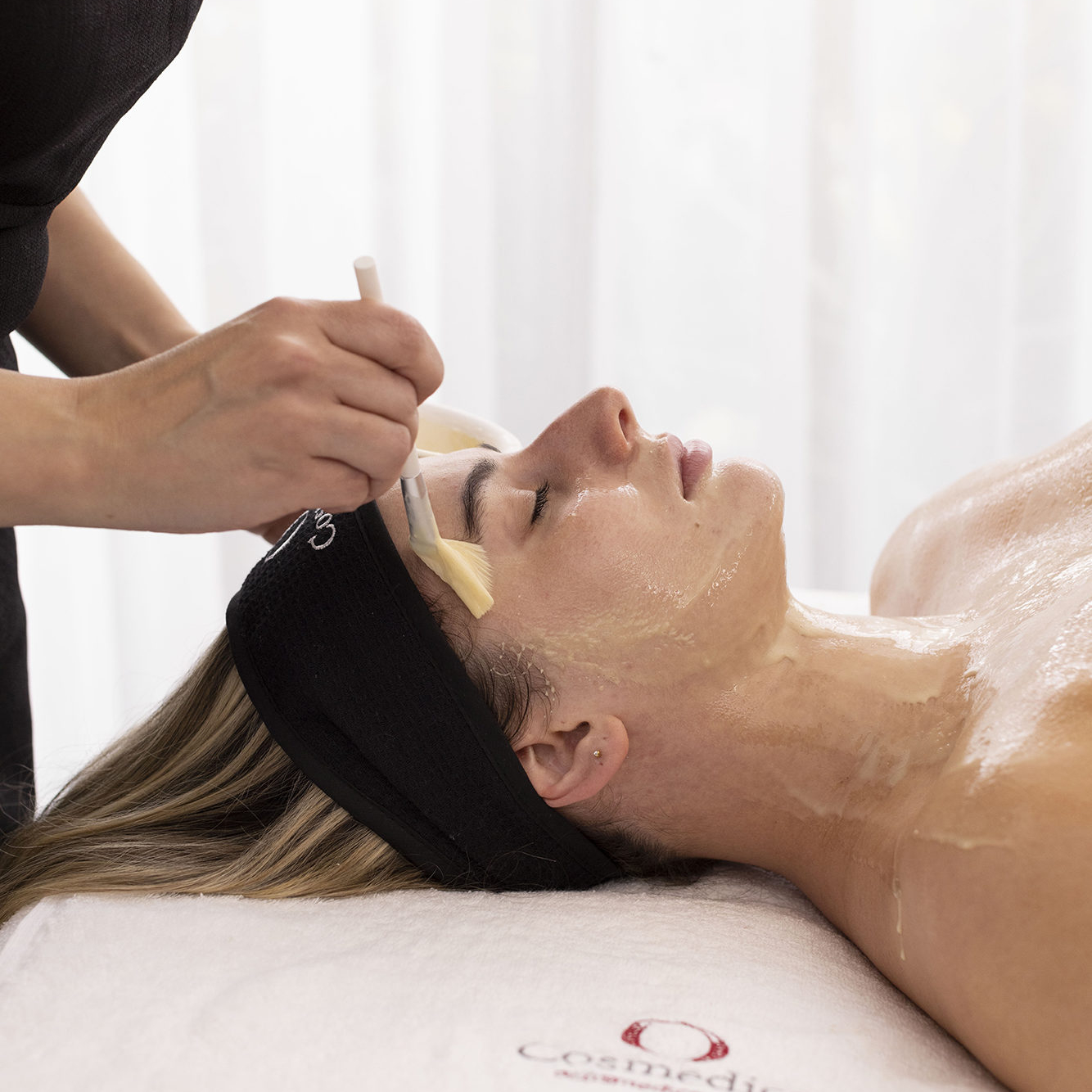
O COSMEDICSPro Dermal Active
Uses O-Biome Oxygen Therapy with a customised activator, designed to help support the appearance of skin brightness and a more even-looking complexion.
The strongest protocols for pigmentation combine in-clinic treatment with a homecare routine your team prescribes specifically for each client's presentation and the driver behind it.
Homecare to prescribe for pigmentation and uneven skin tone
The products in this category are formulated to help support the appearance of a more even, brighter-looking complexion and are designed for professional prescription, not self-selection.


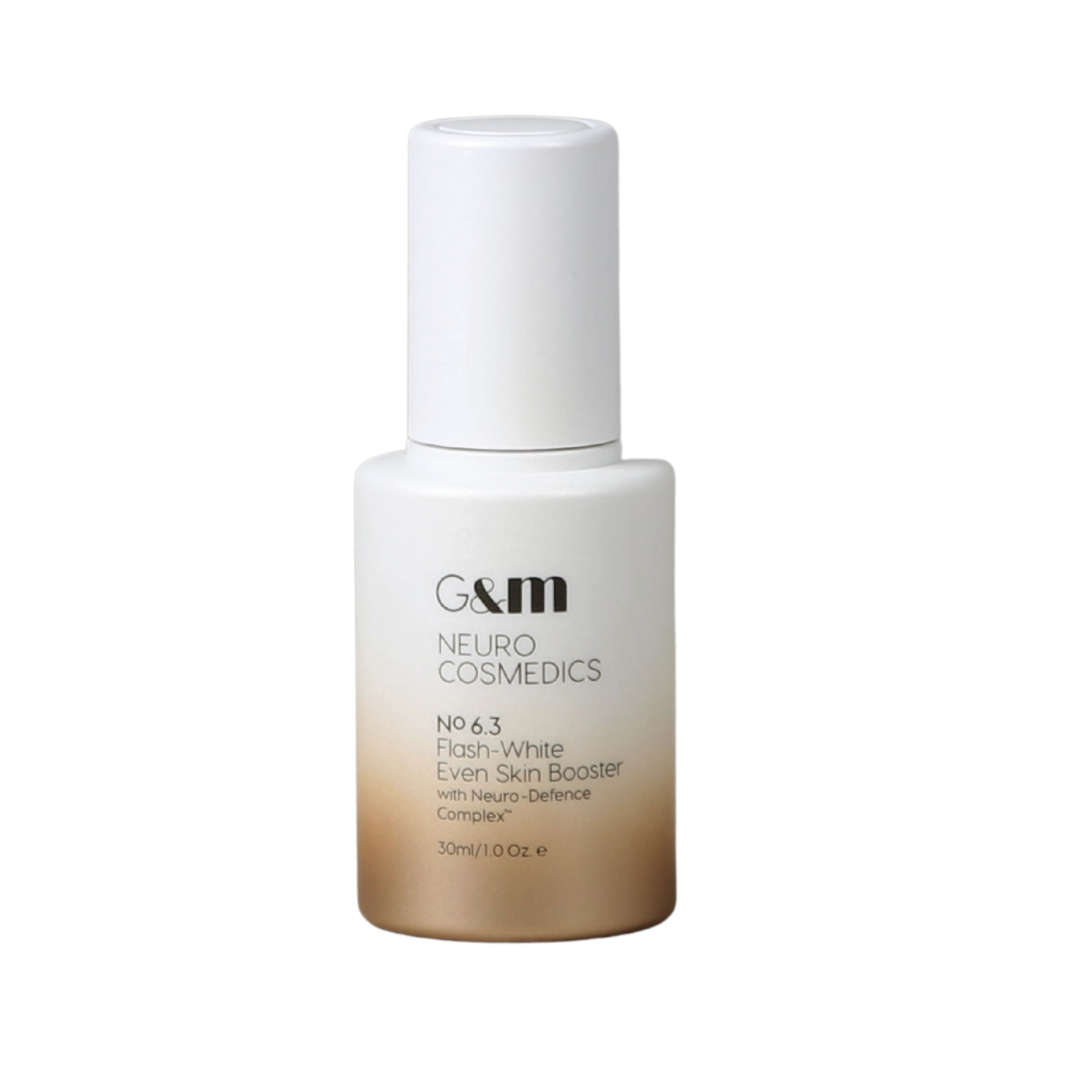
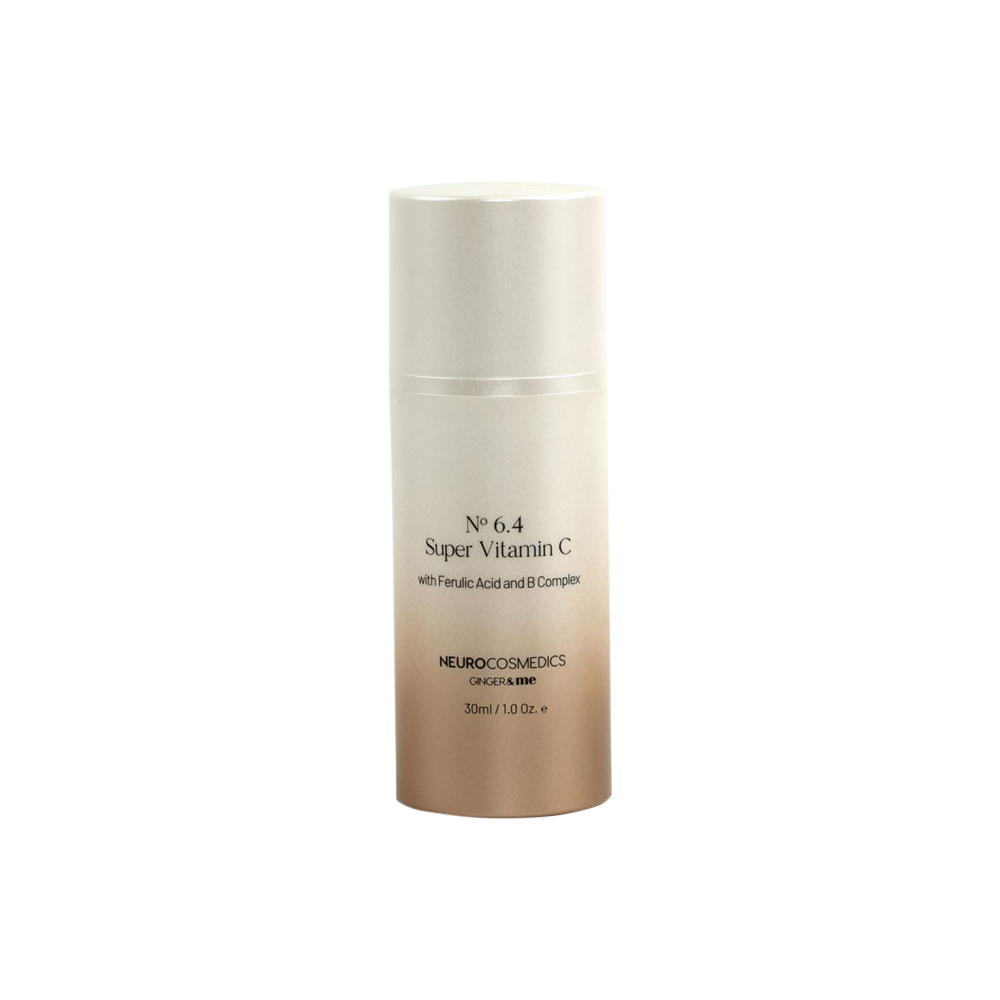


A well-structured homecare protocol for pigmentation typically draws on a core set of actives, each with a specific role your team can explain with confidence.
Vitamin C is formulated to help support a brighter-looking complexion and help protect the skin against the visible effects of environmental stressors. Niacinamide (vitamin B3) is formulated to help support a more even-looking skin tone and the appearance of a clearer complexion. AHAs such as glycolic acid are formulated to help support the appearance of smoother, more refined-looking skin through surface cell turnover. Retinol is formulated to help support the appearance of a more even skin tone and refined texture over time.
Daily SPF is non-negotiable in any pigmentation protocol. UV exposure is one of the primary drivers of pigmentation, and without consistent sun protection, every other product in the protocol is working against itself.
When your team can explain the role of each ingredient and why the protocol is sequenced the way it is, clients follow through. That consistency between appointments is what delivers the visible improvement that keeps this client group returning.
Real Results
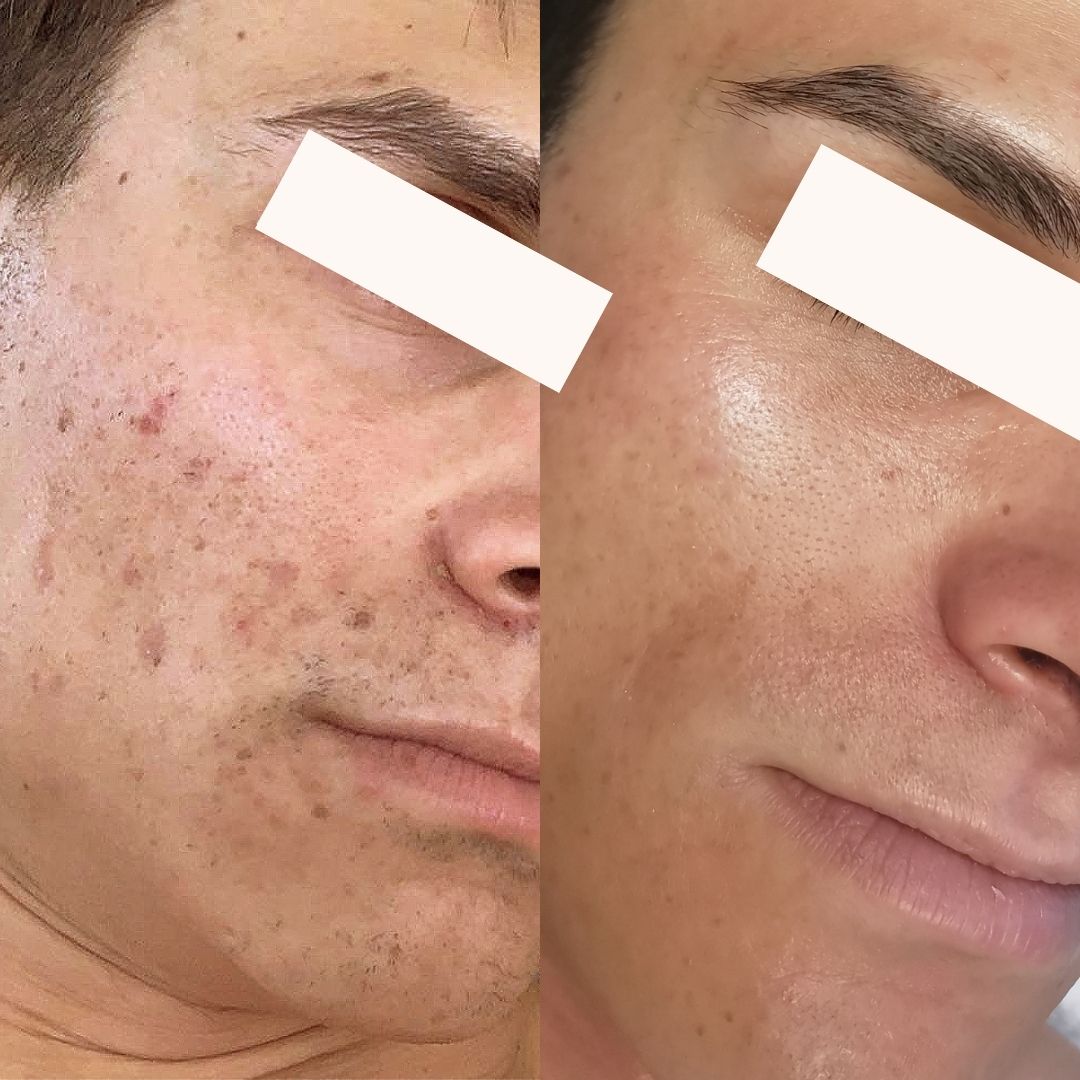
The images below reflect individual client experiences at our stockist clinics, using a combination of professional treatments and prescribed homecare. Outcomes vary, but they give your team real evidence to stand behind when building client confidence in this protocol.

Kaiz Skin & Body Clinic
Nicola Quinn Beauty & Day Spa

Re-vive Beauty
Pigmentation is one of the few skin concerns where a client who feels genuinely guided, rather than just sold a product, will follow a protocol for months. That long-term commitment is built in the consultation.
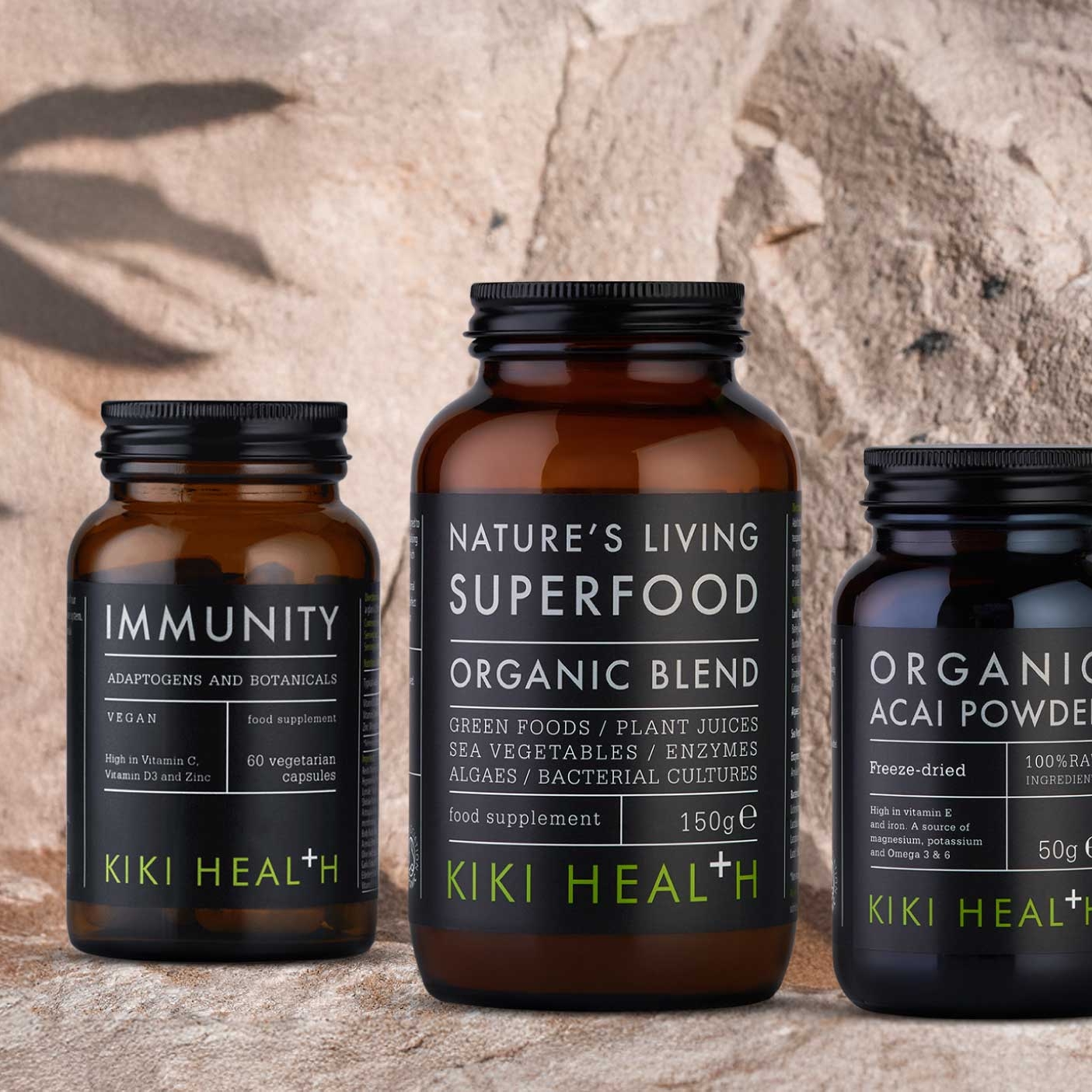
For clients whose pigmentation has an internal component, supporting skin from within alongside a topical homecare protocol gives your team a more complete retail conversation.
Explore the KIKI Health range for wholefood supplements and superfoods formulated to help support skin, hair and body from within.
Skin Insights
Your comprehensive guide to radiant, healthy skin.


Pigmentation responds best to a consistent, layered approach: the right in-clinic treatment paired with a homecare protocol your team has built specifically around each client’s skin and the cause of their pigmentation. Results take time, and clients who understand that from the first consultation are the ones who stay the course.
You've got questions, we've got answers.
The two most common drivers are UV exposure and hormonal change. Sun-induced pigmentation accumulates over time, while hormonal pigmentation, including melasma, is typically associated with pregnancy, hormonal contraception, HRT or IVF. Identifying the underlying cause is the starting point for building an effective protocol.
Probeauty’s stockist network offers in-clinic options including Dermapen Microneedling and the O COSMEDICS Pro Dermal Active treatment, designed to complement a professional homecare protocol for pigmentation and uneven skin tone.
A well-structured homecare protocol for pigmentation typically includes vitamin C to help support a brighter-looking complexion, niacinamide for a more even-looking skin tone, AHAs such as glycolic acid to help support smoother skin texture, retinol to help support a more even tone over time, and a daily SPF as a non-negotiable step in any pigmentation protocol.
O COSMEDICS, Dp Dermaceuticals and NEUROCOSMEDICS by GINGER&ME all include products formulated to support the appearance of a more even skin tone and brighter-looking complexion. Your BDE can help you build a protocol recommendation across the range.
Yes. UV exposure is one of the primary drivers of pigmentation, and daily SPF is what protects the results your team’s protocol is working toward. Suntegrity’s mineral SPF range is formulated for sensitive skin and provides broad-spectrum UV protection, making it a valuable daily addition to pigmentation management protocols.
Many common forms of pigmentation extend beyond the skin’s surface and respond gradually to a consistent protocol. Clients should be guided to expect a visible improvement over a course of treatments and several weeks of consistent homecare, rather than an immediate result. Setting that expectation clearly in the first consultation is what keeps clients committed to the protocol long enough to see it work.